Back Pain Massage Techniques: Unlocking Relief with Deep Tissue Massage

Back pain can be a stubborn and frustrating companion. Whether it’s from sitting too long, an old injury, or just the wear and tear of daily life, finding effective relief is a priority. Over the years, I’ve discovered that back pain massage techniques can be a game-changer. Among these, deep tissue massage stands out as a powerful method to ease discomfort and restore mobility.
If you’ve ever wondered how massage can help your back pain, you’re in the right place. I’ll walk you through what deep tissue massage is, why it works, and how you can benefit from it. Plus, I’ll share some practical tips and common mistakes to avoid.
Understanding Back Pain Massage Techniques
When it comes to back pain, not all massages are created equal. Some focus on relaxation, while others target the deeper layers of muscle and connective tissue. Back pain massage techniques vary widely, but the goal is always to reduce tension, improve circulation, and promote healing.
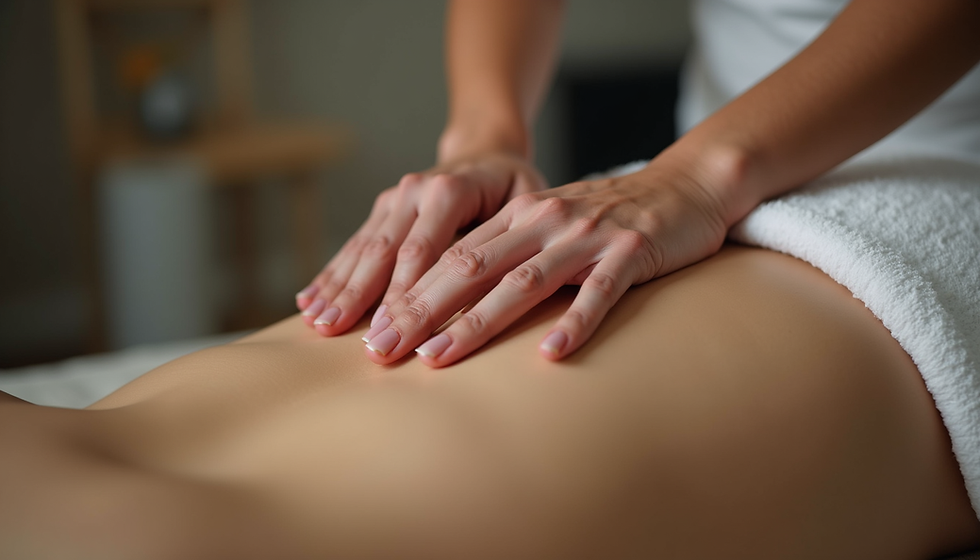
Deep tissue massage is different because it works on the muscles and fascia beneath the surface. This technique uses slow, firm strokes and pressure to break down adhesions and knots that cause pain and stiffness. It’s especially helpful for chronic back pain, muscle injuries, and postural imbalances.
Here are some common back pain massage techniques you might encounter:
Swedish Massage: Gentle, long strokes to relax muscles and improve blood flow.
Trigger Point Therapy: Focuses on specific tight spots that refer pain elsewhere.
Myofascial Release: Targets the connective tissue to improve flexibility.
Deep Tissue Massage: Applies firm pressure to reach deeper muscle layers.
Each technique has its place, but deep tissue massage often provides the most lasting relief for stubborn back pain.

Why Deep Tissue Massage Works for Back Pain
You might ask, why choose deep tissue massage over other methods? The answer lies in how it addresses the root causes of pain.
Back pain often comes from muscle tightness, scar tissue, or inflammation in the deeper layers of muscle. These issues can restrict movement and cause discomfort. Deep tissue massage helps by:
Breaking down adhesions: These are thickened areas of muscle fibers that limit flexibility.
Increasing blood flow: Better circulation brings oxygen and nutrients to damaged tissues.
Reducing inflammation: Massage stimulates the lymphatic system to clear out toxins.
Releasing muscle tension: Firm pressure helps muscles relax and lengthen.
When done correctly, deep tissue massage can improve posture, reduce pain, and speed up recovery from injuries.
If you want to explore this further, check out this resource on deep tissue massage for back pain relief.
What's the Worst Thing You Can Do for Back Pain?
It’s easy to make mistakes when dealing with back pain. Some actions can actually make your condition worse. Here’s what you should avoid:
Ignoring the pain: Pushing through severe pain without addressing the cause can lead to chronic problems.
Overusing painkillers: While they mask pain, they don’t fix the underlying issue.
Poor posture: Slouching or sitting improperly puts extra strain on your back.
Avoiding movement: Staying inactive can weaken muscles and slow healing.
Choosing the wrong treatment: Not all massages or therapies are suitable for your specific pain.
Deep tissue massage is effective, but it should be done by a skilled therapist who understands your unique needs. Overly aggressive or improper massage can cause bruising or worsen inflammation.
How to Prepare for a Deep Tissue Massage Session
To get the most out of your deep tissue massage, preparation is key. Here are some tips to help you before your appointment:
Stay hydrated: Drinking water before and after helps flush out toxins released during massage.
Communicate clearly: Tell your therapist about your pain areas, medical history, and pressure preferences.
Avoid heavy meals: A light snack is fine, but avoid eating a large meal right before.
Wear comfortable clothing: Loose clothes make it easier to relax before and after the session.
Arrive early: Give yourself time to settle in and discuss your goals with the therapist.
During the massage, focus on your breathing and try to relax your muscles. It might feel intense at times, but discomfort should never turn into pain.

Incorporating Massage into Your Back Pain Recovery Plan
Massage is a powerful tool, but it works best when combined with other healthy habits. Here’s how you can integrate back pain massage techniques into your recovery:
Regular sessions: Consistency helps maintain muscle health and prevent flare-ups.
Stretching and exercise: Gentle stretches and strengthening exercises support your back.
Ergonomic adjustments: Use chairs and desks that promote good posture.
Mindfulness and relaxation: Stress can worsen muscle tension, so practices like meditation help.
Professional guidance: Work with a therapist who tailors treatments to your progress.
Remember, healing takes time. Deep tissue massage can accelerate recovery, but it’s part of a bigger picture.
Finding the Right Therapist for Your Needs
Not all massage therapists specialize in deep tissue work or injury recovery. When looking for someone to help with back pain, consider these factors:
Experience: Choose a therapist with a background in deep tissue and injury recovery massage.
Personalized approach: Your therapist should listen and adapt techniques to your condition.
Empathy and communication: Feeling comfortable and understood is crucial.
Reputation: Look for reviews or recommendations from others with similar needs.
Location: Convenient access makes it easier to keep appointments.
If you’re in Aspen, finding a therapist who understands the unique demands of your lifestyle and body is essential. A skilled professional can make all the difference in your journey to lasting relief.
Taking the Next Step Toward a Pain-Free Back
Back pain doesn’t have to control your life. With the right knowledge and support, you can regain comfort and mobility. Deep tissue massage is a proven method that targets the source of pain and promotes healing.
If you’re ready to explore how this technique can help you, consider booking a session with a qualified therapist. Remember to prepare well, communicate openly, and combine massage with healthy habits.
Your back deserves care that goes beyond quick fixes. With patience and the right approach, lasting relief is within reach.
Thank you for reading! I hope this guide helps you understand the power of back pain massage techniques and inspires you to take action toward a healthier, pain-free back.


Comments